General War History Tips
Best Resources For Learning Military History


Military history encompasses a vast, and it must be said, somewhat disorderly body of very varied knowledge of our past, which is extremely rich in lessons about society and tactics and technology. No matter if you are a student, educator or a history enthusiast, entering into this topic can help you gain more understanding of conflicts on the past and how they affected the world like we have today. To initiate this adventure you need access to quality sources that include structured learning, access to primary sources, interactivity, and expert analyses.
Below is a collected list of the best resources to learn military history. Online courses, digital archives, interactive platforms, books and other multimedia content are included. Every resource has been carefully selected based on how credible, well deepened and fun to engage a learner from a different level.
You can get an in deep of military history right from ancient warfare to the current conflicts by going through these resources. From the strategies of historical battles to the evolution of military technology to the societal impacts of war, whether you are interested in the single thing or are looking for ideas to broaden a history paper on the subject of war, these demographics of resources will give you the information you seek.
Online Courses for Structured Learning
Going through structured courses is thorough in learning military history. Alison, WIZAPE and FutureLearn all provide courses related to military history, that span from ancient warfare to modern day wars. Each of these courses caters to the start level of learning, so that even beginners may be educated and advanced learners might discover something new as well.
For instance, Alison offers an online course for free titled: ‘An Introduction to Military History’ including topics from Ancient Warfare to World Wars. WIZAPE even came armed with an extremely course of 25 modules that take specific topics such as cyber warfare. Through FutureLearn, top universities analyse military history through major conflict analysis and discussion on what rules should govern the army.
The subject of military history is taught on these structured courses as a solidly packed grounding in it, allowing learners to explore a number of topics in depth and in their own time.
Alison’s Free Military History Course
Alison provides An Introduction to Military History in an online format free, from ancient warfare to World Wars. It is perfect for a beginner who wants to have a basic understanding in this field. Video lectures, quizzes and assessments reinforce the learning on the course.
WIZAPE’s Military History Modules
There as an extensive course from WIZAPE with 25 modules that cover from ancient warfare to modern warfare such as cyber warfare. Each module dives into a particular topic concerning military history in great detail. It is designed as such that learners from multiple levels learn everything on the subject.
FutureLearn’s Military History Courses
As well as its courses on military ethics, FutureLearn also works with top universities in offering courses on military history including analyses of key conflicts. Academic Perspectives: for people who desire to deepen their knowledge in the form of the courses provided above. It features in the form of discussions and peer review for an interactive learning experience.
Coursera’s Military History Specialization
Military history is a course offered by Coursera as a specialization that comes in several courses for those looking to gain knowledge in the subject. The courses are taught by experts from reputed institutions, have video lectures, read materials, and assessments. They can earn certificates when they’re finished improving the value of their academic credentials.
edX’s Military History Programs
Further, edX is available to provide programs in military history where it offers courses that cover the causes of war, strategies, and the effect of warfare in society. The platform collaborates with universities, and students can study at their own pace with high quality content provided by the platform. It has programs from introductory to higher levels, to connect with a large range of participants.FutureLearn
Digital Archives and Primary Sources
Primary sources are able to be directly connected to historical events. Electronic archives allow for the presence of official records, pictures and diaries records, and make history more accessible by its users.
In Gale’s collection of scholarly articles and primary source documents, search “Military and Intelligence Library” and “War and Terrorism Library to conduct in depth research. The resources available through the Smithsonian’s History Explorer are plentiful and include lessons, activities, and multimedia, all correlated with national educational standards. Digital resources available, such as lesson plans and virtual field trips, allow one to explore the 250 years of U.S. Army history at the National Museum of the United States Army.
Both of these digital archives and primary sources are great resources for anyone who researching military history or simply looking to learn in very thorough fashion.
Gale’s Military History Databases
For in depth research Gale provides databases such as Military and Intelligence Library and War & Terrorism Library that provides scholarly articles along with primary source documents. There exist databases accessible through academic institutions and libraries, hereby giving access to a lot of information for learners and researchers.
Smithsonian’s History Explorer
This site from the Smithsonian History Explorer boasts an array of resources, including audio, activities, lessons, and more that are based on national educational standards. This is a great tool for browsing through US history using primary sources. The platform is geared towards interactive learning and critical thinking and is an appropriate learning tool for both educators and students.
National Museum of the United States Army
To look at the U.S. Army’s 250 year history, the National Museum presents digital resources such as lesson plans and virtual field trips. These engage those learners and give a thorough picture of the contribution of the Army to American history. In addition to in person exhibits, the museum’s online offerings by connecting the exhibitions to the learning opportunities beyond the classroom.
Library of Congress’s Military Collections
Extensive military collections are located in the manuscript, photograph and map collections at the Library of Congress and provide a rich repository for research. The learners can explore historical materials in the collections online from their homes. Guides and tutorials are also provided by the Library of Congress to help users find their way through the large collection held in the Library of Congress.
National Archives’ Military Records
Military records held at the National Archives range from service records, pension files and war diaries and are a very useful source for genealogical and historical research. Many records have been digitized, they are available online, and this opens up web access for researchers from all over the world. In addition to its resources, the Archives also provides toolkits and support for users carrying out research.
Interactive Learning Platforms
It helps to learn things interactively and in a dynamic way. They have a variety of resources on these platforms such as, quizzes, games and simulations to help the learners understand the complex historical events and concepts.
Learning resources, gallery trails and classroom activities for free can be found on National Army Museum that gives insight to different areas of military history. Additionally they offer syllabus aligned content that includes something as simple as tutorials on, for instance, BBC Bitesize and Seneca Learning.
They include tutorials, flashcards, and quizzes, and so they are perfect for GCSE and A level students. Animated and engaging explanations on the key events are presented by YouTubers such as OverSimplified and Epic History. The multiple modes of content delivery makes these uses especially useful to the visual and auditory learners.
Interaction learning has not only turn into engagement booster but also improves retention. These resources appeal to various learners through the use of digital simulations or multimedia storytelling in a way that encourages students to explore the subject of history deeper using a different approach other than reading.
National Army Museum’s Education Hub
The National Army Museum in London has a wide range of interactive educational resources. This covers digital gallery tours, interactive exhibits, as well as downloadable classroom activities based on UK curriculum standards. The platform of the museum has been designed so as to inspire critical thinking and engagement through hands on history learning for teachers and students alike.
BBC Bitesize – History for Students
There are curriculum specific modules for GCSE and A Level history on the BBC Bitesize website, covering military conflicts. There are interactive quizzes, animations and concise revision guides about complex topics such as the World Wars or Cold War defined in easy terms. It is a popular platform for students who love to prepare for the exams the way they want to, a user friendly experience.
Seneca Learning’s Military History Lessons
Seneca Learning is the set of interactive revision tools built by cognitive science. The military history is covered in modules but one based on the UK qualifications utilising memes, quizzes and small texts to improve retainment. That being said, it is especially good for people who enjoy studying in short bursts like that.
YouTube Channels: OverSimplified & Epic History
These are channels that work for the visual storytelling learners. OverSimplified consists of humor and animations to explain events such as World Wars or famous battles. Students have the opportunity to enjoy entertainment that goes into depth.
HistoryHit’s Digital Subscription
Dan Snow’s HistoryHit provides a huge library of documentaries and podcasts. From ancient battles to modern conflicts, the topics are wide, and all are delivered by experts. It has a subscription basis but includes high quality academic level content with interactive features and regular updates.
Books and Visual Guides
The last word will always be reserved for books and visual guides against anyone actually interested in military history. However, they can provide detailed analysis, visual representations of battlefields and firsthand accounts which can prove to be much more in depth than digital sources sometimes can.
Titles like The Military History Book by DK or For the Common Defense by Allan R. Millett combine scholarly insight with accessible writing. This makes it possible for readers access to the visual guides such as The Illustrated History of World War II which provide readers the opportunity to engage with historical timelines, battle maps, and rare photographs. Particularly when conducting in depth research, for development of supplementary classroom material, or personal enrichment purposes, these resources are very valuable.
Books are a unique type of medium, which allow you to study history at your own time and pace and whatever medium you prefer be it academic texts, illustrated guides or memoir.
“The Military History Book” by DK
The Timelines and Diagrams show compelling dates in global military history and the Diagrams show global cosmodromes, battlefields, famous ships, weaponry, and resistant organizations. This book will serve as a good entry into a subject for those wanting an overview of major events, tactics, and figures of ancient, medieval, and modern warfare. The layout and attention to rich imagery are clear so that the page provides visual engagement as well as information.
“For the Common Defense” by Allan R. Millett
An excellent analysis of how the U.S. military has grown from the colonial period to the present day. It looks at how the role of defence policy, of tactics of war and of international strategy are changing. It is meant for university level students and researchers and is a critical read in American military scholarship.
“A History of Warfare” by John Keegan
Keegan’s masterpiece reconsiders the ways in which wars were fought, and the reasons why. It moves humans from technology and politics into the human side of conflict. The book is not about timelines and tactics – lovers of such matters will find this one dense indeed – it’s a must read for anyone interested in the philosophy and anthropology of warfare.
“The Art of War” by Sun Tzu
Although a thousand years old, Sun Tzu’s treatise remains studied in military academies and leadership courses world wide. Through many centuries, timeless principles on the strategy, deception and leadership have continued to influence both historical generals and modern thinkers. Learners interested in military theory will find this ideal.
“The Illustrated History of World War II”
A visually rich, photo, propaganda and battle map filled account of WWII, rare photographs, posters, and detailed battle maps included. It is made for the history reader that likes a heavy visual element in their historical studies and is an excellent companion to formal study.
Podcasts and Documentaries
Podcasts and documentaries are one pleasant way to articulate military history that is set in a more relaxed conversational way. These formats enable continuous learning regardless of you’re on commute or taking a break with no screen fatigue.
Particular events and themes are explored in podcasts like The Rest is History and In Our Time by the BBC, which have scholarly analysis and lively discussion. On the visual side, there are films on platforms as Netflix, YouTube and HistoryHit (cultural video website) as cinematic reconstructions and interviews with experts.
All these formats are suitable for people who are auditory or visual learners, and they can be useful as complementary materials along with an academic text or a course.
BBC’s “In Our Time” Podcast
On Melvyn Bragg and his guests unpacking key historical events, such as featuring a string of episodes on military themes of times past such as the fall of Roman Britain 410AD, the Battle of Hastings 1066 or the Thirty Years’ War 1618 – 1648. For history buffs looking for in depth topics and varied viewpoints on one topic for 1 hours at a time, this is that podcast.
“The Rest is History” Podcast
Tom Holland and Dominic Sandbrook host this podcast in which they talk about both the well known and the lesser known episodes of history. The episodes are commonly presented in topical fashion, concerning military leadership, key battles, and historic myths. Great for the listeners who are trying to find the balance between a mix of expertise and entertainment.
Netflix & Amazon Documentaries
Greatest Events of WWII in Colour or The Vietnam War by Ken Burns are on platforms such as Netflix or Amazon Prime. In addition, these offer a detailed analysis with emotional story telling and are very good for getting a broader understanding of military events in a visual format.
HistoryHit Streaming Service
With documentaries on military history, ancient battles and wars in the 20th Century, HistoryHit was created by historian Dan Snow. An academic, yet accessible, platform, with high production quality and with added updates, for those who want more than the mainstream.
YouTube’s Historical Channels
While at “Real Crusades History” YouTube holds rich reserve of military history content. Such channels also usually feature expert commentary, 3D reconstructions, live Q&As to add an interactive element to the documentary experience.
Call to Action
Moreover, if you want to get into a discussion about the stories behind the world’s most famous or defining military seconds, then these resources are great. If you are doing academic research or taking the exams, or if just feed the historical curiosity: these courses, archives, platforms, books and podcasts will give the necessary depth and historical context.
However, if that’s not enough momentum for you, visit WarAndPeaceHistory.com and see more academic content specifically picked to suit your learning goals. The recommendations we offer are based on research and we support you while you are writing to so that you can truly make the most of your study. Are you ready to master military history with confidence and clarity?
Conclusion
History makes for a matter of wars; history is about more: human nature, leadership, innovation and global power on the move. The disciplined strategies of ancient empires, the complex dynamics of modern warfare, to name a few cases needing endless studying of military history, they are the most valuable lessons to be learnt by students, researchers, and professionals.
You can have meaningful, multi dimensional access to this discipline by using the best resources: online courses, archives, interactive platforms, compelling documentaries, etc. Different medium present different way to read, from uncontaminated academic texts to YouTube Channels and Podcasts.
In the long run, it is military history that allows us to understand the price of conflict and of the human spirit. Apart from lessons on strategy and technology, it teaches diplomacy, ethics and global relations. Start exploring today and discover how we should view and appreciate how history’s great conflicts have molded the world we live in.
FAQs
1: What is the best approach to initiate learning of military history?
Begin with an online course or read a well reviewed beginner’s book such as The Military History Book by DK to start laying the framework.
2: Is there some free resource for this study of military history?
Yes! Other good–quality, free options are Alison’s online course, public archives such as the Smithsonian and National Archives.
3: How is military history to be studied by a student?
Platforms such as FutureLearn, BBC Bitesize, Seneca Learning, and many more can be used. As a complement, study its guide and podcasts for enriched learning.
4: What are some good resources for learners who are tactile or visual?
OverSimplified and Epic History on YouTube, and DK’s encyclopaedia, have visual guides for visual learners.
5: Does military history improve someone’s ability to write academically?
Absolutely. Conflict analysis, as well as conflicts’ causes and consequences, is great for enhancing critical thinking of the student, an essential part of writing research papers and essays.
6: What kind of help for writing essays in military history do you need?
For information on expert online writing help, visit WarAndPeaceHistory.com.
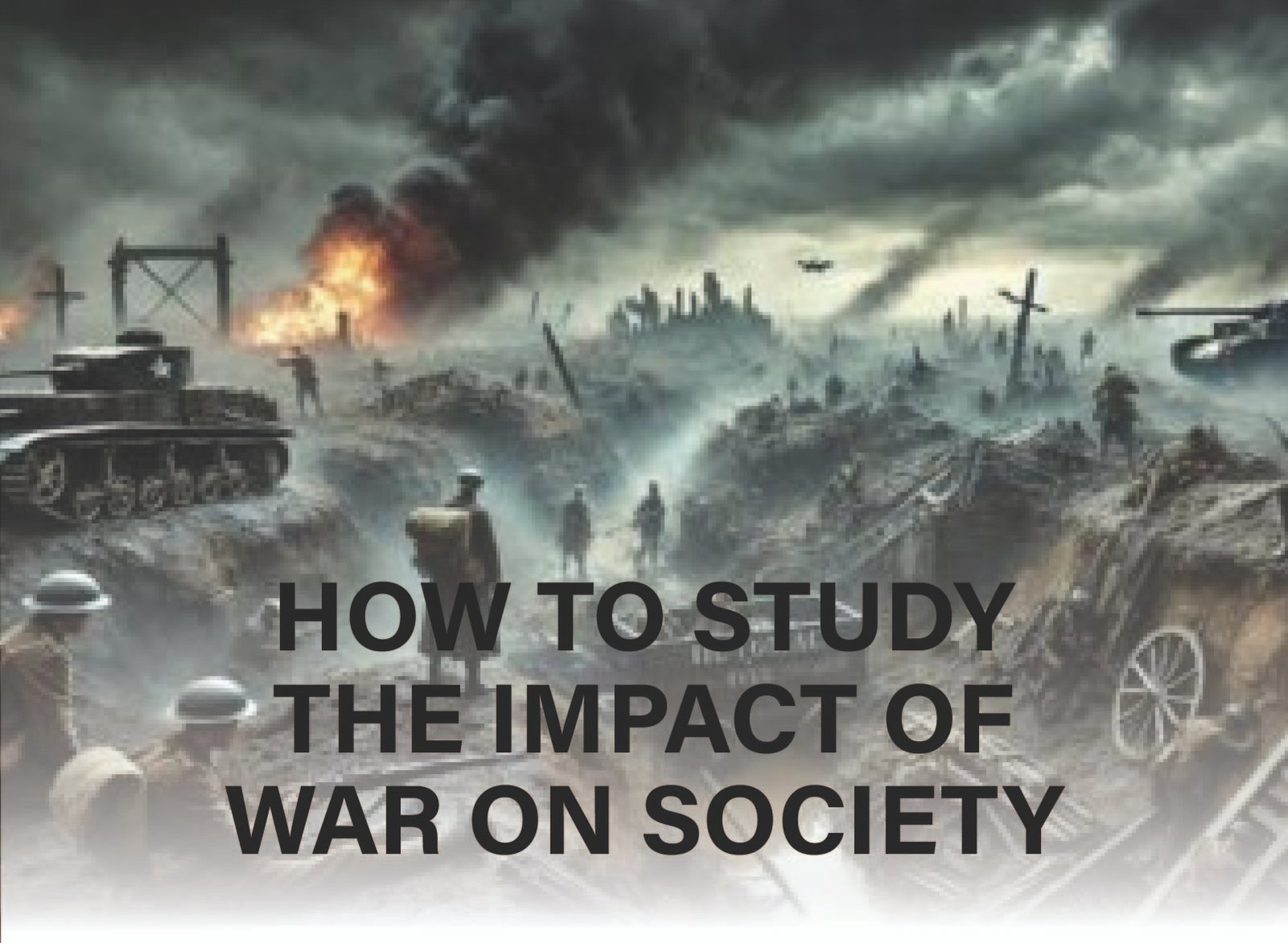
As history has proven, wars are not just any military conflicts, but rather the forces that caused a change in the most important things: countries, thoughts, and authority. Whether it was the ancient battles such as the fight of Marathon that secured Greek democracy or the more contemporary events such as the D-Day that signaled the start of the end of Nazi Germany, battle always changed the course of civilizations. They toppled empires, re-drew borders and provoked revolutions which changed the forms of political life. Such battles, whether the disciplined ranks of Roman legions, the tactical genius of conflict at Waterloo, or the sheer suffering of trench warfare in World War I, showed that all involve leadership, creativity and communal commitment.
The lessons on the durability of alliances and the power of geography and technology of warfare portrayed in these battles also pointed out the timeless effect of alliances and role played by geography and technology on warfare. Although diplomacy is important in the creation of peace, it is sometimes in wars that people face the fire and are molded through war. Being aware of critical battles of the past, we can draw the path of the modern world appearance not only through bargaining tables, but through the stages of enormous sacrifice, strategic planning, and transformation. The events are not only the milestones of the war but the milestones of human endurance and transformation and their implications are timeless, today and tomorrow.
Ancient Battles That Defined Civilizations
War was not only a matter of territory or power in the ancient world, it usually decided the destiny of whole cultures. The world on the leading edge of the development of the ideal and human era was formed by the outstanding battles. Such mythical battles created national identities, shaped generations and affected all aspects of life including military approach, politics and the way people think. Learning about them we can get better ideas on how the civilization was constructed, defended, as well as transformed with the help of war.
Battle of Marathon (490 BCE)
In this legendary battle, the Athenians hoplites, who were significantly overwhelmed in numbers, defeated the Methodian army, who had invaded it. This democratic army using surprise and tight formations helped Greece acquire independence and prevent the westward expansion by Persians. Another effect of the victory was the record-breaking marathon town of an Athens messenger: messenger-marathon, the basis of the modern marathon. It signified the inception of Greek control in classical history and upheld primitive democratic ethical values.
Battle of Gaugamela (331 BCE)
The defeat of Darius III by Alexander the Great marked the downfall of the Persian Empire because of the brilliant strategy employed by Alexander. Alexander also attacked the Persians in spite of the numbers the Persians could attack and his troops penetrated Persian lines accurately. This conquest gave him the opportunity to take power in the Persian Empire and marry Eastern and Western cultures, which gave rise to the Hellenistic period that permeated science, art, and politics over centuries.
Battle of Thermopylae (480 BCE)
King Leonidas led 300 Spartans and some other thousand Greek allies to delay a huge Persian force during three days. They held out heroically but eventually, were beaten, although their brave stand took on a long-lasting legacy of courage and sacrifice. Thermopylae not only put Persians off but united Greek city-states and laid the foundation to further triumphs and safeguarded Western values of liberty and togetherness.
Battle of Cannae (216 BCE)
One of the largest strategic movements in all of history took place when the Carthaginian army led by Hannibal surrounded the Roman army and destroyed it by capturing it. Carthage did not claim the victory of the war but the battle can be considered a classic example of military genius. It upset Rome to its foundations, mandated strategic transformation, and demonstrated the value of flexibility in warfare, principles even today learned in the teaching of warfare.
Battle of Actium (31 BCE)
It was an ultimate sea battle that led to the defeat of Mark Antony and Cleopatra by Octavian on the coast of Greece. Their defeat signalled the end of the Ptolemaic regime of Egypt and the way was cleared into making Octavian as Augustus, the first emperor of Rome. Actium was followed by the decline of the Roman Republic and the rise of the Roman Empire that shaped the political history of Europe during centuries.
Medieval Battles That Redrew Empires
The medieval world was led by warfare based on religion, feudalism disputes and dynastic power. Such conflicts did not only bring changes to the borders but they also created national identities and altered the power structure. Whether they were decisive battles or legendary defense to the last, the warfare influenced the culture, the politics and the religion in the long run. The battles that were fought down below mark milestones that shaped centuries of European and Middle Eastern history and shaped the course of empires and new nations.
Battle of Tours (732 CE)
The Frankish force led by Charles Martel prevented the incursion of the Umayyad state in Western Europe. This win secured the continuation of Christianity supremacy, reinforced the political cohesiveness of the Frankish people, and became one of the significant milestones of European opposition to Islamic conquests. The conflict assisted in establishing boundaries to future culture and has paved the way to the emergence of the Carolingian Empire that was headed by the grandson of Martel, Charlemagne.
Battle of Hastings (1066 CE)
King Harold II was conquered by William the Conqueror and brought in the Norman rule in England. This critical triumph revolutionized English government, noble life and speech. Anglo-Saxon customs were attached to Norman traditions whereby new legal systems and feudal forms were reconstructed. This struggle led to the being of Anglo-Saxon rule, and it introduced a different, permanent dynastical and ideological regime in England.
Battle of Hattin (1187 CE)
Muslims provoked the European Crusaders to a decisive battle at a distance of Tiberias where they received decisive defeat. This great defeat undermined Crusader states, and led directly to the Third Crusade. By recapturing the Holy Land and swinging the balance of powers in the region, Hattin made the Christian-Muslim relationship look differently in decades and increased the legendary fame of Saladin in different cultures.
Battle of Bouvines (1214 CE)
England, Flemish, and German armies lost to Philip II of France. That win consolidated the role and power of the French royalty and tainted that of the English King John. The loss helped cause unrest within England and ultimately led to the signing of Magna Carta and the dawn of constitutional rule and limits upon royal authority.
Fall of Constantinople (1453 CE)
Constantinople was seized by the Ottomans led by Mehmed II and the Byzantine Empire ended. The defeat of the city turned the power toward the east, blocked most of the land-based trade routes and also motivated Europeans to explore the sea routes. It made the Ottomans a superpower in southeast Europe as well, shaping the politics, religion and trade of the region throughout the next centuries.
Early Modern Battles with Global Consequences
The age of Empires started with the growth of the Empires over the seas with the help of gunpowder and ambitions. Conflicts did not take place only in the borders of a region, but also changed whole continents and defined the up or down of world powers. The conflicts were usually based on reactions to ideological changes and provided the basis for the current international relations, revolution, and colonial domination. The next campaigns were essential to the definition of state positivities, new military inventions, and the shift of power in the grounds of both East and West.
Battle of Lepanto (1571 CE)
Christians overwhelmingly defeated the Ottoman naval forces in the Gulf of Patras. This naval battle led to the decline of the Ottoman influence in the Mediterranean, stagnated the Islamic expansion across the seas and gave much-needed morale to the European states at the times of religious battling. As symbolic as the victory was, it re-developed the balance in the naval forces and supported the Christian domination of major trade and military maritime routes.
Battle of Sekigahara (1600 CE)
Rival daimyos were conquered by the forces of Tokugawa Ieyasu and the entire Japan was unified into a new shogun ate. The result is the end of many centuries of civil wars and the beginning of the Edo period, during which more than 250 years of tranquility, decentralization and isolation took place. The war precluded the basis of the cultural stability and a strict social structure which formed the Japanese society up to the modern period.
Battle of Blenheim (1704 CE)
France and Bavaria were slain by the Allied troops led by the Duke of Marlborough bringing a change to the War of Spanish Succession. The battle had defeated the ambitions of Louis XIV, remodeled international relationships and stabilized the European system of power balance. It was the breakthrough of Britain as the powerful military power and accolade to the legacy of Marlborough in European military history.
Battle of Saratoga (1777 CE)
The victory of the American troops over British made France to join the Revolutionary War as an ally. This military partnership changed this struggle to a world conflict and greatly disempowered British domination. The battle of Saratoga proved to be the turning point that directly resulted in U.S. independence and staged the colonial system in Europe, America, and Atlantic world.
Battle of Waterloo (1815 CE)
British and Prussian troops put a decisive end to the reign and European dream of domination of Napoleon Bonaparte. It lost the war and as a result he went into exile and the Congress of Vienna followed. Waterloo had not only introduced a more stable Europe, but had also entrenched Britain as a 19th century global superpower.
Modern Battles That Shaped the 20th Century
The conflicts fought in the 20th century were symbolic of ideological differences, mechanized war, and world ambition. The changes in the face of combat were epitomized by the use of massive armies and novel technologies, which changed the face of warfare as a result of mass casualties and posttraumatic disorders. These wars decided the fate of nations, world dominance as well as political structures. Whether it is world wars or proxy wars, every showdown had an impact to remember. The next battles of the modern age demonstrate how key military conflicts determined the geopolitical landscape of the contemporary world and affected peace, policy, and reconstruction.
Battle of the Marne (1914 CE)
German troops were repulsed before Paris by allied troops and this prevented early defeat of France during World War I. This fight was the beginning of trench warfare along the Western Front and the continued years of Americans fighting to standstill in a field. It transformed the military approach and guaranteed that the war would turn into a lengthy, exhausting international battle.
Battle of Stalingrad (1942–43 CE)
Soviet men ended the German invasion and turned it back in one of the bloodiest battles in history. This counter-offensive on the Eastern Front shattered Nazi pace and started a merciless Soviet advance to the west. The result of Stalingrad discouraged Axis powers and reversed the strategic field, promoting the ultimate defeat of Allied forces in World War II.
D-Day – Battle of Normandy (1944 CE)
The historical Normandy beaches were invaded by allied soldiers in the largest amphibious invasion in human history. Such critical action created a new Western front towards Nazi Germany, and it led to the liberation of France and the quick end of Hitler regime. D-Day was the start of World War 2 in Europe ending and the day that demonstrated the level of coordination in the military.
Battle of Midway (1942 CE)
The United States sunk all of the four Japanese aircraft carriers and arrested all the Japanese to stop their expansion in the Pacific in a dramatic naval confrontation. The battle swung the tide in favour of Allies and started the strategic decline of Japan. Midway is regarded as the most significant battle of the United States Navy and a portion of history in the Pacific theater of world war World War II.
Korean War – Battle of Inchon (1950 CE)
A bold amphibious landing by U.N. forces under the command of General MacArthur behind the enemy lines easily regained Seoul. This victory broke the North Korean supply chain and changed the course of war. Inchon was the manifestation of the Cold War conflict in between communism and democracy, which positioned decades of geopolitical tension on the Korean Peninsula.
Strategic Lessons from History’s Greatest Battles
Epic conflicts offer an insight more than the strategies, they present leadership, human determination, ingenuity, and the unforeseen price of war. Every confrontation is a lesson that is not limited to the battlefield, defining political order, coalitions and growth and evolution of any society. Learning how to respect diplomacy, ethics of war, and how to build peace, we can see the decisions, errors, and successes of the past to make ourselves aware of the present trends. Such historical lessons have not been lost on contemporary day planning of military affairs, interstate affairs and the importance of stability in the fast changing world.
Leadership Can Shift Outcomes
They are great commanders such as Alexander the Great, Saladin and Eisenhower who show influence of leadership in the battle tides. The numbers or firepower used to be overwhelmed by vision, morale-building and rapid adaptation. It is possible to change defeat into victory with strategic decisions to use in a crucial moment, showing that effective leadership is one of the most decisive factors in the success of the war.
Geography Is a Decisive Factor
Terrain forms battlefields. The mountainous exit of Thermopylae as well as the wind-swept shores of Normandy demonstrate that geography determines strategy, maneuvering and mere existence. Learning about land and the weather has proven to make a critical difference whenever it comes to the strategic planning and implementation of a military affair. The natural environment is something to be utilized strategically, as success can usually be achieved by the side using it to the best advantage.
Alliances Matter
Effective coalitions are a key to win any war. The united fronts can conquer strong opponents as had been demonstrated in historic settings such as the Allied Powers during World War II. Partnerships offer any combination of resources, a strategic depth, and diplomatic power. The most important benefit of using the united power is mutual trust, mutual arrangement, and clear goals.
Technology Drives Warfare
Innovation always alters the style in which wars are fought. Technology evens out the balance of power, whether that is the longbow and cannon, through the tanks, drones and cyber warfare. The contemporary war hinges on the instruments that enhance accuracy, communication and maneuvers. With every new change, the tactics are altered, and the range of the effects of war on both combatants and civilians is widened.
Civilians Are Deeply Affected
The aftermath of wars destroy societies that are not on the battlefield. Civilians become indirect victims in the form of bombings, famine, and forceful displacement. It needs humanitarian assistance, rebuilding and political anchors to recover. Human cost of war emphasizes the timeliness and the necessity of post-war diplomacy and peacebuilding initiatives to avert war and accommodation populations amid and after martial conflicts.
Conclusion:
The great battles in history have drawn the borders in more ways than one; they have defined ideologies, created nations and redefined global systems setting the battlefields of plains of Marathon to those of the beaches of Normandy. These are turning points showing that leadership, strategy and unity can alter the course of civilization. Although wars are mostly and usually regarded as harbingers of destruction they are also historical specimens of crucial changes in politics, social organization, and cross-nation relationships. It is important to note that learning about them makes us understand how the modern world emerged- and why peace, diplomacy and remembrance are essential. Whether in the ancient rules of warfare or in the modern addition of digital warfare, war continues to impart tough but needed lessons that are relevant in all ages.
History may be more than memory; it is a quality of the future at once. Get a better comprehension of these fights by visiting historical places, learning sources, or research. Help other people learn the things war has taught humanity by sharing this article. At a time when war shadows relations even now, our history might show us the way towards creating a brighter, peaceful present. History, and not unread warning, be thy teacher.
FAQs
1. What makes studying historical battles important?
The outcome of historical battles usually decided the future of empires, cultures and political systems. By studying them, we get to know how military strategy, leadership and technological innovation impacted world history and modern geopolitics.
2. Which conflict has been regarded as the most influential one in the world?
Historians cite many battles as some of the most influential: the Battle of Hastings (1066) or the Battle of Stalingrad (1942 43) or others, each battle transformed its own nations, borders and the power structure of the world itself.
3. How did technology affect outcomes of battles?
Technology has all too frequently rung the bell, in the form of Roman siege engines all the way to World War II tanks. Major battle changes have been made by better weaponry, logistics or communications equipment.
4. What was the outcome of the battle of Gaugamela to the ancient world?
The conquest of Alexander the Great in Gaugamela contributed to the collapse of the Persian Empire to introduce Greek culture into Asia and jumpstart the Hellenist Age that dominated education and science and art.
5. Are there battles causing crucial political changes?
Yes. The Battle of Waterloo (1815) and Actium (31 BCE) marked the end of the reign of Napoleon and the birth of the Empire in Rome respectively- and both had far reaching political consequences.
6. Is culture and identity changeable by battles?
Absolutely. Such conflicts as Thermopylae or Marathon turned into such national symbols of heroism, resistance to superior forces, and identity, that they contribute to the ways societies define their own past and values.
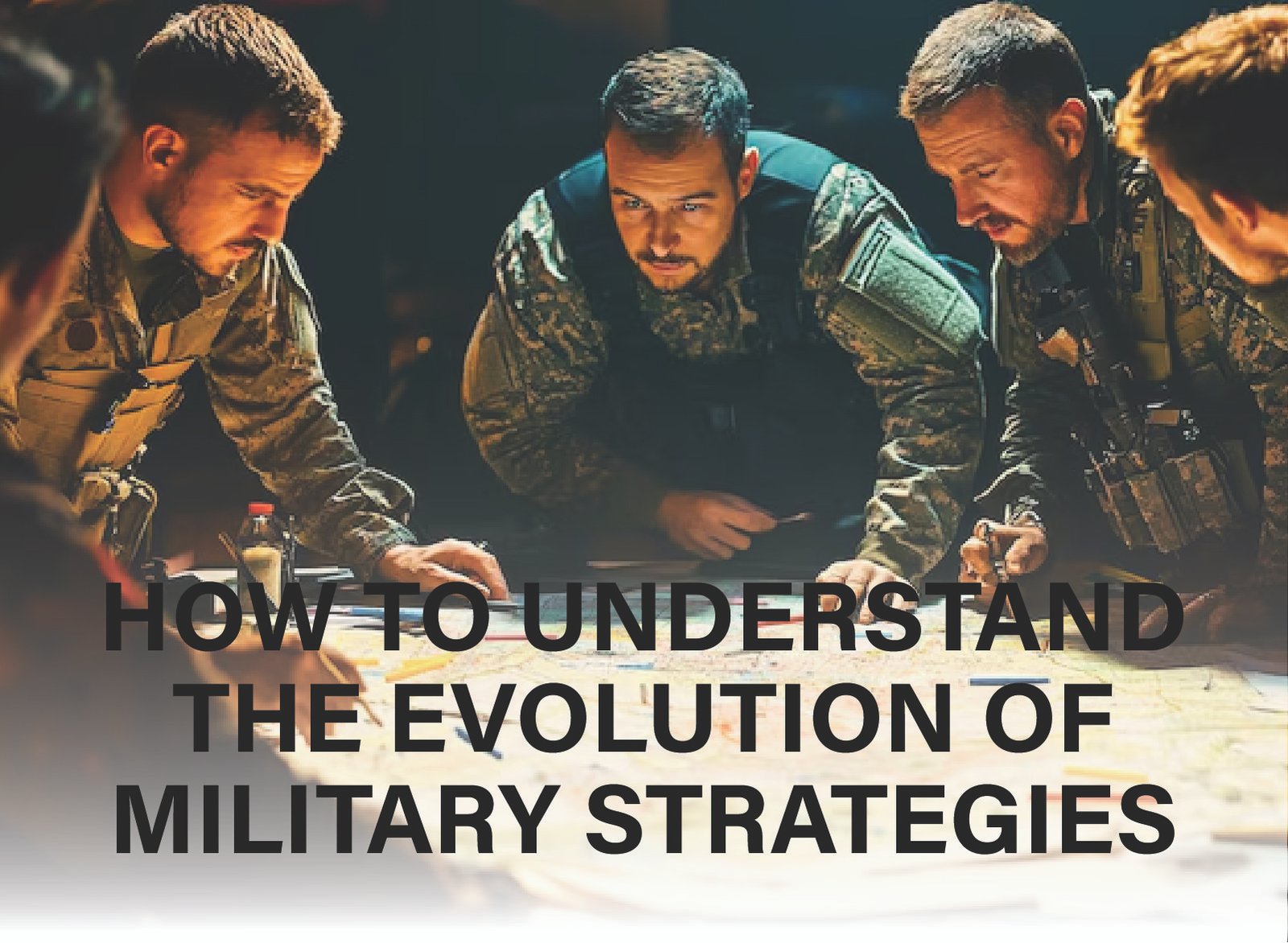
Comprehension of the development of Military Strategies tactics draws significant insight into the issues of how civilizations were exploring their ways of confrontation, survival, and power throughout time. Strategy involves more than the battlefield tactics; strategy incorporates logistics, political goals, technology, and human judgments. Since the phalanx battles of ancient Greece to the psychological warfare in the modern hybrid conflicts, strategic thinking is in a constant state of evolution to new challenges and changing geopolitical conditions. It is the re-shaping of the planning and conduct of wars many times over with the advances in the form of weapons, means of communication, and resources of gathering intelligence among others.
Every epoch brings with it varied priorities no matter if it is territorial expansion, ideological dominance, or cyber defense. With these changes we gather the insight of how societies have presented leadership, command and diplomacy by way of pressure. War is not the only thing in military strategies history, it is also a story of innovation, statecraft, and resiliency. With the prospect of future tensions in the world and new threats, the clear grasp of the evolution of strategy would assist in predicting the patterns of conflict and dramatically influence the formation of defense-related decisions. It also allows scholars, policymakers and citizens to question military actions and their larger effects. Finally, the investigation into the history of military strategies demonstrates the intellectual nature of the art of war and shows its significance to world civilization.
Examine the Roots of Classical Warfare Strategy
History of military strategies dates to ancient civilizations such as Mesopotamia, Egypt, China and Greece, when basic formation, terrain and morale were used by the leaders to give an upper hand. Strategy development was initially developed through such theorists as Sun Tzu whose Art of War propagated eternal ideas of deception, capacity to adjust, and leadership. The example of Greek phalanxes and Roman legions showed the significance of the formation, training and logistics. Winning battles was not the only aspect of Classical strategy; it also required maintaining empires, affecting politics and exercising power projection.
The early models of these primitive structures framed much of the doctrines that were to be used in the realms of the military through integration of tactics and warfare on the battlefield into diplomacy, ethnicity as well as the scope of vision. These origins can explain the mode of working of early power structures and some of the strategies that continue to echo down the line.
Learn from Sun Tzu and Ancient Texts
The art of war by Sun Tzu focuses on learning the enemy, embracing change and using psychological upper hand over pure force. His contributions have been timeless since the work applies even in leadership and negotiation other than in war. The study of such works enables us to consider strategy as a matter of exercising the mind, or as a matter of anticipation, planning and restraint, which are central concepts that continue to affect military schools and strategic decision-making across the world.
Explore Roman Military Organization
Rome’s success was not tactical alone, but institutional. Roman legions were disciplined, well trained and logistically well ordered. It was grounded on a sense of cohesion, line of leadership and fortification. The analysis of the Roman strategy demonstrates how the army organization and flexibility led to the centuries rule. The command structures and training programs in the present times are still based on these tenets.
Understand Terrain and Formations
Terrain advantage and close order (such as the phalanx or testudo) were a frequent feature of ancient strategy. Generals chose battlefields intelligently and trained soldiers with as much emphasis on space as possible. These plans show the early realization that setting and location and time tended to come into the fore more than brute force. This type of thinking formed the subsequent tactics and is still applicable in current urban and hybrid conflict.
Analyze Cultural Influence on Strategy
Various cultures had their own philosophy on warfare. Where Greeks concentrated on honor and formation, Chinese strategists concentrated on subtlety and deception. These various attitudes influenced the fight against wars and the perception of power. Reflecting on cultural context evolution will give more insight into the reasons why some military strategies became possible and how they were carried out over a distance and over time.
Recognize the Role of Leadership
Such great rulers as Alexander the great, Hannibal, and Caesar transformed history by using innovative tactics and being great leaders. Their powers of inspiration, improvisation, and outsmarting others show how leadership forms a key component of a good strategy. Looking at their campaigns demonstrates the intersection of traits characterizing individuals with the theory of warfare to create memorable effects.
Understand the Impact of Gunpowder and Industrial Warfare
The innovation of gunpowder transformed the strategy because the combat situation evolved to long-distance fire. This resulted in fortified castles being redundant and the battlefields were now more of planning and less of physical strength. Through the Industrial Revolution, mass armies, railroads, and telegraphs were introduced to warfare. Such innovations necessitated the emergence of new doctrines such as total war and attrition. There was development of strategies to encompass national mobilization, logistical planning and management of resources. Battles such as the Napoleonic Wars and World War I brought into sharp focus the move towards mechanized warfare based upon system rather than heroic tactical principles. The nature of this shift makes it clear that the technological advancements changed the level of magnitude, velocity, and intensity of military services.
Trace the Rise of Firearms in Battle
The guns diminished the role of heavily armored knights and focused more on infantry combat and missile fighting. Units such as the line and column were developed and new functions on the battlefield came about such as the artillery support. With this change, there was a need to rethink the concept of defense and offense and armies had to adjust to this fast or be bypassed. Here the democratization of combat power started.
Analyze Napoleon’s Strategic Legacy
Napoleon brought together the qualities of speed together with mass coordination and profound logistical preparation to transform the way war was fought. His campaigns focused on maneuver, surprise and coordination of the various arms in the military. He was also skilled in psychological warfare and propaganda. His legacy is that it is not just a statistical battlefield combat success that makes a general successful in his strategy, but strategic long-range insight and political acumen.
Study World War I’s Doctrinal Failures
WWI highlighted the ineffectiveness of old tactics against the industrial firepower. Gripping to old doctrines led to trench warfare, standoffs and huge losses. The war compelled countries to improvise in such a way that they could come up with integrated arms processes, creeping barrages and air recce. It was a painful shift to a new theory of the military based on technology and coordination.
Understand Logistics and Total War
Industrial warfare led to growth in the role of logistics, and supply chains, production and transportation became directly related to strategy. Economies were mobilized by the civilians to aid the front. Strategy was now not restricted to the battlefield anymore but factories and farms. The concept of total war made no distinction between military and civilian targets and necessitated novel ethical and operational planning.
Examine Naval and Colonial Expansion
The development of naval power turned into an important strategic factor, which made not only colonial empires and blockades possible. The emergence of battleships, international fleets, and sea bottlenecks transformed the war play. Sea power came to play an imperative role in protection of trade, projection of forces as well as control over territories. The concepts of Mahan continue to impact naval strategy to date.
Follow Strategic Developments in the World Wars
The two World Wars were dramatic changes to the strategy doctrine. World War I brought the introduction of trench warfare and attrition and World War II took mobility, airpower, and total war to new levels. The new standard was blitzkrieg, island-hopping and strategic bombing. Codebreaking and civilian morale was now viewed as strategic targets as well as intelligence. The commanders were required to join land, sea, and air operations in order to have a united strategy. These wars demonstrated that it was flexible thinking, huge coordination, and political will that would succeed. The magnitude and devastation prompted a reconsideration of military morals, rules of engagement and international balances of power. A study of this age indicates that conflict has become multidimensional.
Learn Blitzkrieg and Maneuver Warfare
Blitzkrieg employed combined-arms tactics with speed and shock tactics to attack the enemy when s/he could not respond. It went around the fortresses of the enemies and hit the headquarters of the war, a new way to start and finish the war. It demonstrated that quick coordinated assaults were superior to long sieges.
Recognize the Role of Intelligence
Key technological changes came with the second world war where there was codebreaking in Bletchley Park, and spy rings in the conquered countries. The strategic planning was now relying on information dominance. Such deception operations as Operation Bodyguard contributed to victory in significant campaigns. Intelligence became an essential part of contemporary warfare.
Evaluate Strategic Bombing Campaigns
Strategic bombing was a means of destroying the industrial capacity and morale of the civilian population. The cities which were devastated by the effects of airpower were Dresden and Hiroshima. Such campaigns are still controversial regarding morality and effectiveness. They compelled militarystrategies to consider psychological effects, as opposed to long-term reconstruction and geopolitics.
Understand Global Logistics and Theater Warfare
Battles that took place in both ends of the globe (Europe to the Pacific), entailed complex planning and worldwide logistics. Provision chains extended to oceans. Land, sea and air assets were coordinated across broad distances by unified commands. This age had lessons that scale requires thinking on the system level in strategy.
Analyze the Shift Toward Political Strategy
The policy of postwar strategy focused on ideology control and maintenance of political stability. The production of NATO and the Marshall Plan indicated that the win in diplomacy and financial aid was just as significant as success on the battlefield. The use of reconstruction and coalition-building in the prevention of future conflict was added to strategy.
Study Cold War and Asymmetric Strategy
The cold war is the new form of strategy that paid less attention to direct conflict and more to deterrence, espionage and proxy war. The use of nuclear weapons rendered the idea of total war impossible, thus strategies such as Mutually Assured Destruction (MAD) appeared. In Korea and Vietnam, and Afghanistan, hostilities were waged by proxy. This was the era of guerrilla warfare, mind games, and ideological warfare. Superpowers also depended on intelligence networks, arms races and soft power to exercise influence. Asymmetric warfare was popularized, in which less powerful forces employed unconventional tactics to fight larger powers. This epoch teaches us the military success could be mostly about an impression, time and leverage as well as not only about arm fire.
Learn Nuclear Deterrence Principles
MAD theory believed that the launching of nuclear weapons by either of the superpowers would mean mutually assured destruction and this would prevent them launching first. This school of thought influenced foreign politics, military expenditures, and crisis control. The investigation of this theory illustrates the intelligent effort of peace through threat.
Understand Guerrilla and Insurgency Tactics
Small insurgent groups managed to outmaneuver traditional armies by using terrain and hit and run strategy as well as local assistance. In Vietnam and Afghanistan, the guerrillas compensate for their disadvantages by mobilizing the opinion of the people and using weaknesses in strategy. Such approaches are still present in the contemporary irregular warfare strategy.
Examine Psychological and Information Warfare
The art of winning hearts and minds became a strategic issue during the cold war. To obtain support and undermine opponents, use was made of propaganda, cultural influence, and messages through the media. Such maneuvers demonstrated how it is as effective to control stories as it is to control territory.
Explore Proxy Wars and Strategic Containment
Instead of engaging in direct confrontations, the superpowers sponsored their allies in the regional wars to increase their influence. Such proxy wars offered the possibilities of experimenting with new strategies without breaking the balance in the world. The study of them demonstrates the multifaceted nature of the indirect conflict and the long political game.
Analyze the Role of Intelligence Agencies
Such agencies as the CIA and KGB turned into the instruments of covert action, spy work, and sabotage. They determined the world’s political events through coups, assassinations, and spies. The battle became one of intelligence that influenced diplomacy and popular confidence.
Evaluate Modern and Future Military Strategy
The hallmarks of modern strategies strategy are high velocity innovation, digital warfare and multi-domain operations. The battlefield is now being shaped by cyberattacks, drones, artificial intelligence and space assets. Countries will be required to protect themselves against the unseen menace on one hand and have the capability to channel their powers around the world. The current hybrid war is all about strategic competition, which comprises political influence, economic pressure, and military preparedness. The next plan of action will be built around live data, self-sustaining systems and international collaboration. Military planning is getting more complex with climate change, resource shortage, and city war. Knowing these trends makes the next generation of leaders able to make the wiser, ethical, and flexible decisions in an uncertain world.
Learn About Cyber and AI Warfare
Cyber attack on infrastructure, election systems and even the defense networks is part of modern warfare. AI creates the ability to target autonomously and perform real-time threat analysis. These instruments transform the nature of fighting battles where digital supremacy becomes a priority. A knowledge of this area is critical to future strategists.
Explore Space and Satellite Defense
Communication, navigation and surveillance is impossible without satellites. Space is currently a new military frontline and countries are now creating anti-satellite weapons and space command forces. Strategy encompasses space-based intelligence, and orbital defense.
Understand Hybrid Warfare
The aspects of hybrid warfare involve the combination of standard techniques and cyberattacks, propaganda, and economic interference. It is less noticeable and less respondent and it frequently entails both state and non-state actors. The concept of hybrid strategy requires very high levels of understanding in contemporary defense planning.
Focus on Urban and Civilian-Centric Conflict
In the contemporary world, wars are being fought in urban areas more frequently with the participation of city dwellers and rebels. The approach in strategy should manage between the military strategies and humanitarian aspirations. This needs novel training, techniques, and moral systems of functioning in metropolises.
Consider Climate and Environmental Factors
The effects of rising sea levels, droughts and the shortage of various resources affect the conflict areas and strategic priorities. Environmental hazards are now part of military planning priorities, and sustainability is an important issue in future military action.
Conclusion:
The history of the development of military strategies is not only the history of the fought battles; it is the disclosure of the role of power, politics and innovation in the means of nations to protect their interests. As ancient strategies to AI-assisted war can be seen, strategy follows the values and technologies of its era. The ways of each of the eras signify the challenges, resources, and geopolitical realities specific to a period. Through discussion of evolving strategies, we can get an idea of modern day defense thought and be ready to meet the newest threats. Military tactics never lies in one stance; it varies with changes in conditions, varying in terrain, weaponry, diplomacy, and ideology.
The ability to exercise flexibility and be informed in strategic planning is extremely crucial in the current dynamic world full of uncertainties and surprises. History also teaches both leaders and citizens the actual complexity concerning military decisions and their effects. In facing the new threats of the age – cyber warfare, asymmetric warfare, climate-driven instability the very key ingredient to peace security and resilience will be the strategy.
Are you a student, a researcher or a fan of it? Take the plunge into the world of military history and strategic theory. Read classical literature, and learn about the latest cases, and be updated on the international defense trend. Forward this article to other people interested in security and leadership. Knowing strategy is not a secret of the general, but of anyone who intends to make enlightened decisions in a complex world. With your interest, one can learn more, understand more, be smarter with policy, and be safer in the future.
FAQs
1. What is the definition of the military strategies?
Military strategies involves planning and undertaking activities, usually with the help of force, resources and positioning, to serve certain goals when at war or suffering.
2. What is the significance of the study on the evolution of military strategies?
Knowledge of the evolving trends in strategies is useful in analyzing the on-going conflicts, forecasting future threats and enhancing defense planning.
3. What has been the effect of these technologies, such as drones and AI, on military strategies?
They have moved to automation, accurate targeting and real-time data and eliminated human vulnerability and are able to be quicker in making decisions.
4. How do the civilians fit into the current plans of military strategies?
The defense policies, support logistics and consideration of citizens are sometimes influenced by the elements of civilians being involved to prevent collateral damages and to gain the favors of people.
5. Do the historical military strategies have any value these days?
Yes, it contains a lot of classical principles such as deception, surprise, and terrain advantage, but they are used with modern means.
6. Where can I find the additional information about Military Strategies?
Begin by reading an original work such as The Art of War by Sun Tzu, use case studies of great conflicts or enroll in a course based on military history and defense disciplines.
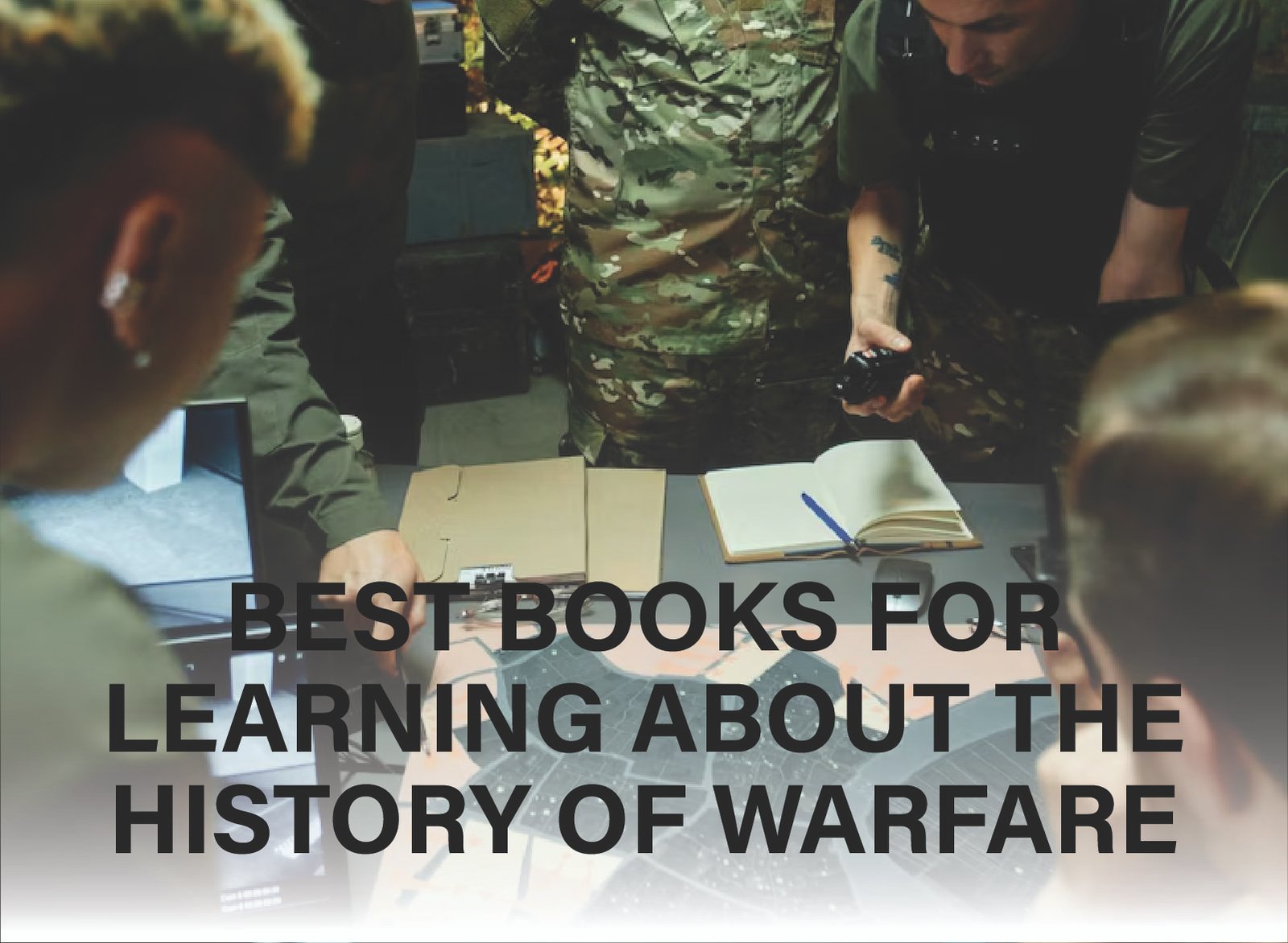
The History of Warfare is an immense as well as intricate and highly formative history that has defined the course of civilizations, thought conventions, and the way the world developed. The study of all of this is not a one-dimensional pursuit of the lessons of the battlefield, and military history can open up new worlds of insight into how wars started, how methods were used or proved ineffective, and how societies dealt with the pain and the aftermath of war. Whether considering ancient conquest and medieval warfare or guerilla warfare and mechanized combat, each historical period has a chance to add to the understanding of conflict.
The most excellent books about the history of warfare depict not only the celebrated battles and the legendary generals but they also discuss the causes, technological changes and the political consequences of war. These texts provide the readers with a multidimensional interpretation of conflict-assimilation of culture, economics, innovation, and philosophy.
As a student of academic, warrior, veteran, or even that of a curious nature, the study of this subject field through credible books will enrich an appreciation of understanding not only the conflictual episodes of history of warfare , but it will do the same in areas of interest today. The following guide represents a selective list of the books on military history that everyone should read at least once: they are scattered across continents, over a timeline, and across opinions, yet they all contain deep insights about the nature of war and history of warfare legacy.
Foundational Works in Military History
In order to fully understand the history of warfare we would be in a good position to start where the foundational writings that establish the fundament of military thinking and military history were written. These works are not reaccounting the history of events- they discuss the theories, the inspiration and philosophy of war. The books feature an overview of ancient civilizations, and the emergence of modern warfare bearing context, strategy and sense that truly is a guide into the ages. They assist the reader in how war has changed not only at the level of tactics and technology but also how war relates to society, politics, and leadership. These introductory books form the source of the foundation of military historical studies and cannot be ignored by any in-depth learner.
The Art of War by Sun Tzu
The treatise was written more than 2,500 years ago, but is still commonly read and quoted. The Art of War is more concerned with strategy than physical attack and is a ledger of deceit, adaptability and advance thinking in history of warfare. Its teachings are applicable to contemporary military, corporate, and personal strategy though the teachings are ancient. The knowledge that Sun Tzu presents remains timeless and perennial to an extent that every discipline can benefit by reading this book as a way of getting acquainted with military theory.
On War by Carl von Clausewitz
This classic was written in the 19th century and it examines the philosophy of battle and the complex correlation between battle and politics. Clausewitz studies the ethical, psychological, and philosophical dimensions of war, coming up with such concepts as war is a continuation of politics by other means. On War is full of insightful reflections on contemporary strategy, command, and the uncertainties of armed conflict, viewed through the prism of the Napoleonic wars: dense and difficult though it might be, it has been widely read and influential by strategists and theorists alike.
A History of Warfare by John Keegan
The revolutionary book by Keegan does alter the existing teachings on war, by putting his emphasis on the cultural and human aspect of war. Rather than focusing on the logical study of war in terms of strategy and tactics, he explores the nature of the way societies perceive and construct war. The theories of Clausewitz are refuted by Keegan who offers a distinct perspective on the effects of warfare on humankind. This book offers plenty of historical background and anthropological understanding, making it suitable to those who want a bigger picture.
Makers of Modern Strategy edited by Peter Paret
This intellectual collection of essays includes essays about influential military intellectuals between Renaissance and Cold War. The book covers such characters as Machiavelli, Clausewitz and Mao Zedong and focuses on how the military strategy developed in parallel with politics. Both the essays provide profound historical background and critiquing and this makes it a good source of information to those students and researchers who might want to know how strategic doctrine has shaped throughout centuries.
War: How Conflict Shaped Us by Margaret MacMillan
MacMillan integrates history, sociology and political science to draw upon the liability that war has to human institutions and beliefs and practices. Her questions are mind stimulating as she asks why societies go to war and the effects of war in defining identity and progression. MacMillan tells a compelling story through vivid prose and thoughtful analysis of why it is so important to understand warfare so that we can understand ourselves as a species.
Advancing Era-Specific Military Studies
After learning the basics of the literature on warfare, it is more enriching to dig deeper depending upon the time periods in order to note how warfare has been advanced. Books of specific eras give valuable knowledge about the firearms, wars, and sociopolitical conditions of various times in history – ancient wars as well as war in the 20th century global conflicts. These publications describe the changes in ideology, technology and leadership that restructured the modern battlefield and predetermined the emergence of geopolitics. Looking at the specifics of the tactics used by Napoleon or the human hell of trench warfare during World War I, era-specific military histories will offer you a chance to relate the broad historical forces with actual human experiences. They additionally shed light on repetitive trends and warning stories in the history of conflicts.
The Peloponnesian War by Thucydides
The book by Thucydides is an eyewitness history of the war between Athens and Sparta based on which he has written his great work which is a classic treatise on classical warfare and political realism. He does not only examine military moves, but what inspires inner turmoil of power. This action-filled story is one of those stories that present eternal wisdom regarding human character, leadership, and the price of arrogance. This ancient text is still used today in the field of international relations as it is very pertinent.
The Face of Battle by John Keegan
In this new writing Keegan has abandoned his old style of analysis of battles and has discussed the experience of the soldier at the battle of Agincourt, Waterloo and the Somme. He shifts the writing and understanding of military history by prioritizing a human element of battle. His vivid description of fear, mess, and valour in the battlefield comes as a strong debunk against purely strategy or political explanations of war.
Napoleon: A Life by Andrew Roberts
The all-encompassing biography of Napoleon Bonaparte is a correlation of the military with personal accounts. Roberts brings out the genius of Napoleon in his campaigns and how his tactics played a role in how war would be fought in flames of many generations. Descriptions of battles, such as that of Austerlitz and of Waterloo, are combined with political background and character-study in a way that makes this invaluable reading to those interested in conflict in the early 19th century.
The Guns of August by Barbara Tuchman
The story won the Pulitzer Prize as it was written by Tuchman and it describes the fact why World War I erupted and what outcomes led to the first month during the struggle. Packed with detail and characters, it describes how a miscommunication, hard-fast scheming, and national pride caused a worldwide tragedy. Her personal narrative is full of captivating storytelling qualities, which turns the book into informative yet highly readable material, suitable to those who are just starting exploring modern war.
Inferno: The World at War, 1939–1945 by Max Hastings
This is a complete picture of the history of World War II in which the author plays the thread of military campaigns and political choices with the lives of civilians accounted for on every front. Combining thorough research and colorful human narration, Hastings offers a birds-eye glimpse of a truly worldwide conflict. His balanced views ensure that he focuses on major powers and theatres and provides the readers with a holistic and compassionate perspective of the deadliest war in the history of the world.
Exploring Regional Perspectives on Warfare
The history of warfare is not uniform. The regional approach provides even better and wider knowledge on how warfare has influenced and vice versa been influenced by different cultures and ideologies and environments. In the killing cultures of feudal Japan and tribal clashes in Africa to Latin American revolutions, the cultural context of each theatre of war spells out different problems, vested interests, and strategies to the military engagements. Regional books that put conflict into the context of a particular region help us appreciate the global experience of war, and how regional conflicts tend to mirror the world at large. By investigating the local military cultures, there is also a more extensive and equal treatment of examining conflict over the centuries.
The Samurai: A Military History by Stephen Turnbull
Turnbull includes an elaborate description of the emergence and demise of the warrior caste of the Japanese- the samurai. His topics of discussion include their values, their method of fighting, and decisive battles and they are placed in their context that forms a broader picture of how the Japanese politically and socially changed. The book is a colorfully depictive and captivating text which provides us an in-depth study of one of the most legendary military cultures in the history of the world.
Armies of Sand by Kenneth M. Pollack
This book looks into the effectiveness of the military of the Arab armed forces since World War II, and asks why many have failed to perform well despite serious investment. Pollack provides careful explanations, which are based on a mixture of military history, cultural analysis, and political science. The book is a must read in terms of grasping Middle Eastern military conflict and warfare implication in the vast communities.
African Military History by John Lamphear
The book offered by Lamphear destroys stereotypes and gives a professional, but not too professional, picture of African warfare since ancient times and up to contemporary conflicts. He points out the role of indigenous tactics, colonial interactions and independence wars on the military development of the continent. The book provides an excellent account of how the traditional African warfare happened as well as its twist under colonial and post-colonial authority.
The Mexican Revolution: A Short History 1910–1940 by Stuart Easterling
The compact but effective account of Easterling follows the complicated social and military lives of the Mexican Revolution. He talks of important leaders, guerrilla strategies and the overall land, justice, and identity war. The book is valuable to those readers interested in Latin American military history and the war of revolution.
The Russo-Japanese War 1904–1905 by Geoffrey Jukes
This is a less well known, but very critical war that led to the birth of the modern warfare in Asia. Jukes describe the war in terms of strategy, politics and technology and shows how it altered the world balance of power. The book is particularly resourceful to anyone who reads it to learn more about the preamble of 20 th century wars across the globe and to get details on how the Japanese army was modernized.
Understanding Modern Conflicts and Contemporary Analysis
Symmetry, technological superiority, cyber war and the changing political ideas characterize modern warfare. The analysis of the war of the 21st century, including in Iraq, Afghanistan, Ukraine, and other territories, helps to understand how the war is no longer a proper fight but about the hybrid war, the drone attacks, the propaganda and the psychological operation. In order to get a grasp of the current complicated geopolitical space, the readers should learn military history in real time, i.e., through the prism of recent battles and international security perceptions.
These books give valuable information on the nature of terrorism, insurgency, peacekeeping and the changing role of international organizations. As current discussions swing quickly into new strategies and confuse the acceptability of war as it exists today, they prepare the next generation to understand the digital world as the war power nations play out their drama in a multifaceted world, a multipolar world.
The Forever War by Dexter Filkins
The book provides a mix of vignette based personal accounts of the wars in Afghanistan and Iraq, front line reportage and geopolitical reflection of this award winning book. Filkins provides the eye view of confusion, trauma, and strength of contemporary battles. His personal experiences give us not so much a description of battles but also psychic confusion of warring with an ideological enemy on foreign soil. Anyone who wants to know anything about post-9/11 warfare will need to read this.
War by Sebastian Junger
Included in this book is the description of Junger who joined the U.S platoon in the deadly Korengal Valley in Afghanistan to give an intimate and descriptive psychological account of soldiers in modern war. He is able to write about the fear, adrenaline, commitment, and emotional cost of war. Instead of a political commentary, War is a sheer human experience, and therefore an exciting read to everybody who wants to learn what it is like to be a soldier nowadays.
Cybersecurity and Cyberwar by P.W. Singer and Allan Friedman
Cyber warfare is a very serious subject demystified in this easy to understand, but not hard-hitting review. Singer and Friedman address the issue of cyber threats, political-based hacking, information spying and frontiers of modern warfare. As warfare goes digital, readers seeking to gain insight on these emerging tools and points of vulnerability that define international security have an absolute must in this book.
The Ukraine War and the Future of Conflict by Lawrence Freedman
Strategy experts such as Freedman offer acute and pertinent observation on the Russian invasion of Ukraine and in respect to its implications that reach beyond Ukraine. He does not only analyze changes on the battlefield, but also the activity of propaganda, economical sanctions, and alliances of military forces. It is a healthy text that requires immediate delivery to the contemporaries who monitor the real-time development of geopolitical conflict today.
Understanding Modern Warfare by David Jordan et al.
An extensive scholarly book on the theory, practice, and trends of 21 st -century warfare. It examines traditional and non-traditional conflicts, peacekeeping missions as well as the combined military actions within the globalized world. The book should appeal to students and other readers who are interested in an in-depth yet comprehensive model that can be used to evaluate contemporary conflict and military decision-making.
Mastering Military Strategy and Tactical Thinking
Behind all the great battles and campaigns there are minds who have created the field-strategists, commanders and thinkers who transformed the nature of war fighting. The theory of military strategy and tactics shows you how military benefit has been taken through the use of discipline, deception, geography and psychology. Whether one is reading the ancient sayings of Sun Tzu, or the philosophizing of Clausewitz, or the current texts of doctrine manuals, there is much to understand, about enduring precepts, and about the changing approaches. Learning more about the theory of war will help you comprehend the historical facts as well as give you the ability to study current wars in a tactical perspective. As a student of history, military practitioner, or one who is just interested, the books will make you think tactically.
The Art of War by Sun Tzu
A must-know classic that has guided military generals, business managers and political analysts over hundreds of years. The brief precepts of Sun Tzu are engrossed with the topic of strategy, deception, preparation, and leadership. Although it was authored more than 2,000 years ago, its principles have been relevant to military, corporate and personal wars. It is an eternal lesson in minding instead of bouncing your adversary.
On War by Carl von Clausewitz
The densely written and philosophically rich book is the backbone of any serious reader in the topics of military theory. He also examines the relation of war with politics, the essence of war, and the randomness of human decisions. Such concepts as the fog of war and center of gravity still play a significant role in strategic analysis. It is difficult, but immensely insightful of the disorder and order of conflict.
Makers of Modern Strategy edited by Peter Paret
This book presents edited essays on the most influential military strategists and how they impacted on strategic thought. It is an authoritative document, encompassing figures such as Machiavelli through Mao, and is useful to the reader who seeks to trace the progression of strategy across centuries and ideologies. It is scholarly and yet understandable, with a perspective on the past but analysis.
Strategy by B.H. Liddell Hart
Liddell Hart denounces strategies of the past and promotes indirectness in a way that promotes the reduction of destruction in the highest possible returns. His critique of history of great commanders, like Alexander to Sherman are persuasive case studies in strategic innovation. This is a crucial text to the study of operational planning as a current doctrine because of his contributions to the post-WWII military.
The Utility of Force by Rupert Smith
Hinting in the traditional history of warfare, which used to encompass the majority of state armies to fight against each other, Smith says that such a thing is not the rule anymore. Rather, war has come to mean war between the people, characterized by insurgencies, peacekeeping, as well as war in information. His principles make readers question the ways in which the use of force is used and how the victory should be perceived in the contemporary military conflicts. It is a reflective primer of modern military theory.
Conclusion:
The history of warfare is a collection of battles, and strategies, but above all it is a reflection of change, curiosity, fear, ambition in humankind. The military history of warfare informs about the way societies set up, create new things, and how they face ethical questions during the time of extreme crisis. To be aware of the modern world: geopolitical tensions, technology progress, and weakness of peace, it is crucial to comprehend war by the next generation. What makes the best books about history of warfare so good is that they do not merely recount success and failure but ask us to consider the effects of violence and the strength of human spirit, the potentials of diplomacy and deterrence.
In ancient chronicle, biographical epic, in the theory of strategy, these things serve to enlighten us, to refine our own vision. Through reading, we understand that we can study the issue of conflict, as well as pursue wise solutions in areas as diverse as different cultures, times, and schools of thought. Such comprehension is not only helpful, but crucial in an environment where the element of uncertainty is becoming an order of the day.
Feel like learning more about military history of warfare? Just choose a book and begin. As a student, teacher or a curious reader there is something to learn about leaders, resilience or peace. Be social, comment, and motivate. Learning about war enables us to construct peace. Read In order to remember, reflect and create a wiser future.
FAQS.
1.The question arises why military history should be studied?
It learn about the previous conflicts, strategy, leadership, and the role of the war to create the modern environment.
2. What is a good beginners book?
The Face of Battle, by John Keegan and The Art of war by Sun Tzu are good places to begin.
3. What are the differences between ancient wars and modern wars?
The wars of ancient times employed the physical element in combat; the war of today uses drones and hacking.
4. Do memoirs have any value to learn about war?
Oh, yes, they are personal and emotional accounts such as With the Old Breed.
5. Best military strategy book?
On War by Clausewitz and the Strategy by Liddell Hart.
6. Is there a way in which history can be used to prevent war?
Yes, we could make peace through learning of our past mistakes.

Analyzing the Post-WWI Peace Settlements

How to Explore the Treaties of World War I That Ended

Understanding the Impact of World War I on Civilians

The Role of Technology in World War I Warfare

Tips for Studying the Alliances in World War I

Key Battles of World War I and Their Significance

Studying the Military Leaders of World War I

How World War I Changed Global Politics

How to Analyze the Trench Warfare of WWI

Understanding the Causes of World War I

Key Historical Battles That Shaped World History

How to Understand the Evolution of Military Strategies

Best Books for Learning About the History of Warfare

How to Study the Impact of War on Society

How to Study The History of Global Conflicts

Best Resources For Learning Military History

How to Analyze Historical Battles And Tactics

Effective Ways to Study the History of War

Key Moments in The History of Armed Conflict

Tips For Understanding The Causes of Wars
How to Analyze Historical Battles And Tactics
Best Books for Learning About the History of Warfare
Tips For Understanding The Causes of Wars
Best Resources For Learning Military History
Understanding the Impact of World War I on Civilians
Analyzing the Post-WWI Peace Settlements
How to Study the Impact of War on Society
How to Understand the Evolution of Military Strategies
Understanding the Causes of World War I
Key Moments in The History of Armed Conflict
Effective Ways to Study the History of War
How World War I Changed Global Politics
How to Study The History of Global Conflicts
Studying the Military Leaders of World War I
Tips for Studying the Alliances in World War I
The Role of Technology in World War I Warfare
How to Explore the Treaties of World War I That Ended
Key Historical Battles That Shaped World History
Key Battles of World War I and Their Significance
How to Analyze the Trench Warfare of WWI
Analyzing the Post-WWI Peace Settlements
How to Explore the Treaties of World War I That Ended
Understanding the Impact of World War I on Civilians
The Role of Technology in World War I Warfare
Tips for Studying the Alliances in World War I
Key Battles of World War I and Their Significance
Studying the Military Leaders of World War I
How World War I Changed Global Politics
How to Analyze the Trench Warfare of WWI
Understanding the Causes of World War I
Key Historical Battles That Shaped World History
How to Understand the Evolution of Military Strategies
Best Books for Learning About the History of Warfare
How to Study the Impact of War on Society
How to Study The History of Global Conflicts
Best Resources For Learning Military History
How to Analyze Historical Battles And Tactics
Effective Ways to Study the History of War
Key Moments in The History of Armed Conflict
Tips For Understanding The Causes of Wars
-
 General War History Tips1 year ago
How to Analyze Historical Battles And Tactics
-
 General War History Tips12 months ago
Best Books for Learning About the History of Warfare
-
 General War History Tips1 year ago
Tips For Understanding The Causes of Wars
-
 World War I Tips11 months ago
Understanding the Impact of World War I on Civilians
-
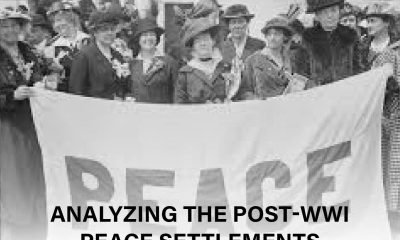 World War I Tips11 months ago
Analyzing the Post-WWI Peace Settlements
-
 General War History Tips1 year ago
How to Study the Impact of War on Society
-
 General War History Tips12 months ago
How to Understand the Evolution of Military Strategies
-
 World War I Tips12 months ago
Understanding the Causes of World War I


